
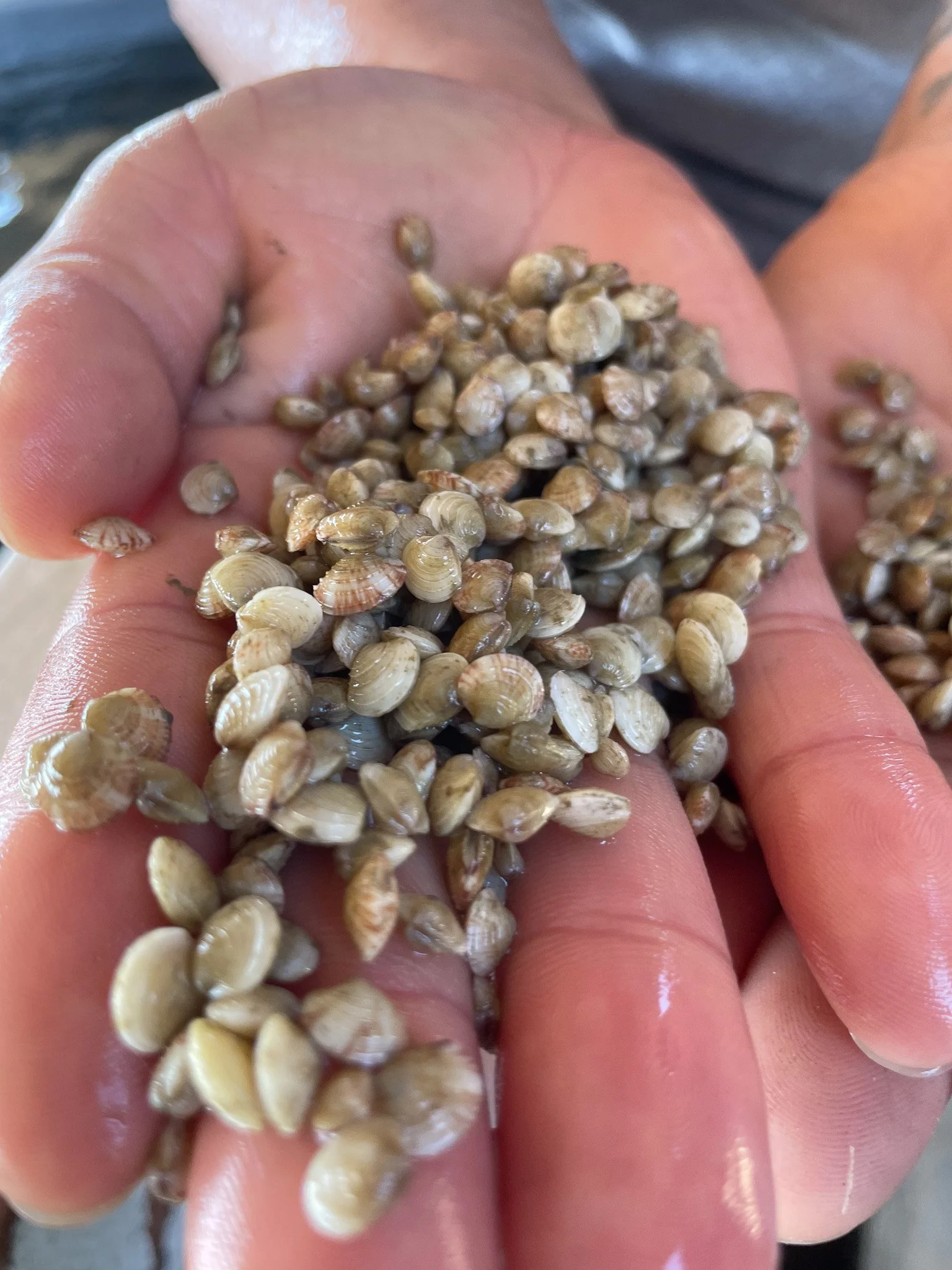
We’ve been quiet here for a while, life got a little busy. I had to stop myself, try not to get carried away in the rush of everything - so here I’m going to talk about one of my favorite organizations and its effect on how we do things here at The Wandering Shuckers Co.
OYSTER SOUTH.
If you love oysters and you've never heard that name, you need to look it up right now. If you work in oysters and you have heard it, you already know: this nonprofit didn't just promote Southern oysters. It changed how an entire region talks about them, grows them, and serves them. And that change didn't stay in the South. It’s reached the North too — through me, and through some of my lucky friends up here who get to experience Southern oyster culture thanks to Oyster South.
WHAT OYSTER SOUTH ACTUALLY IS
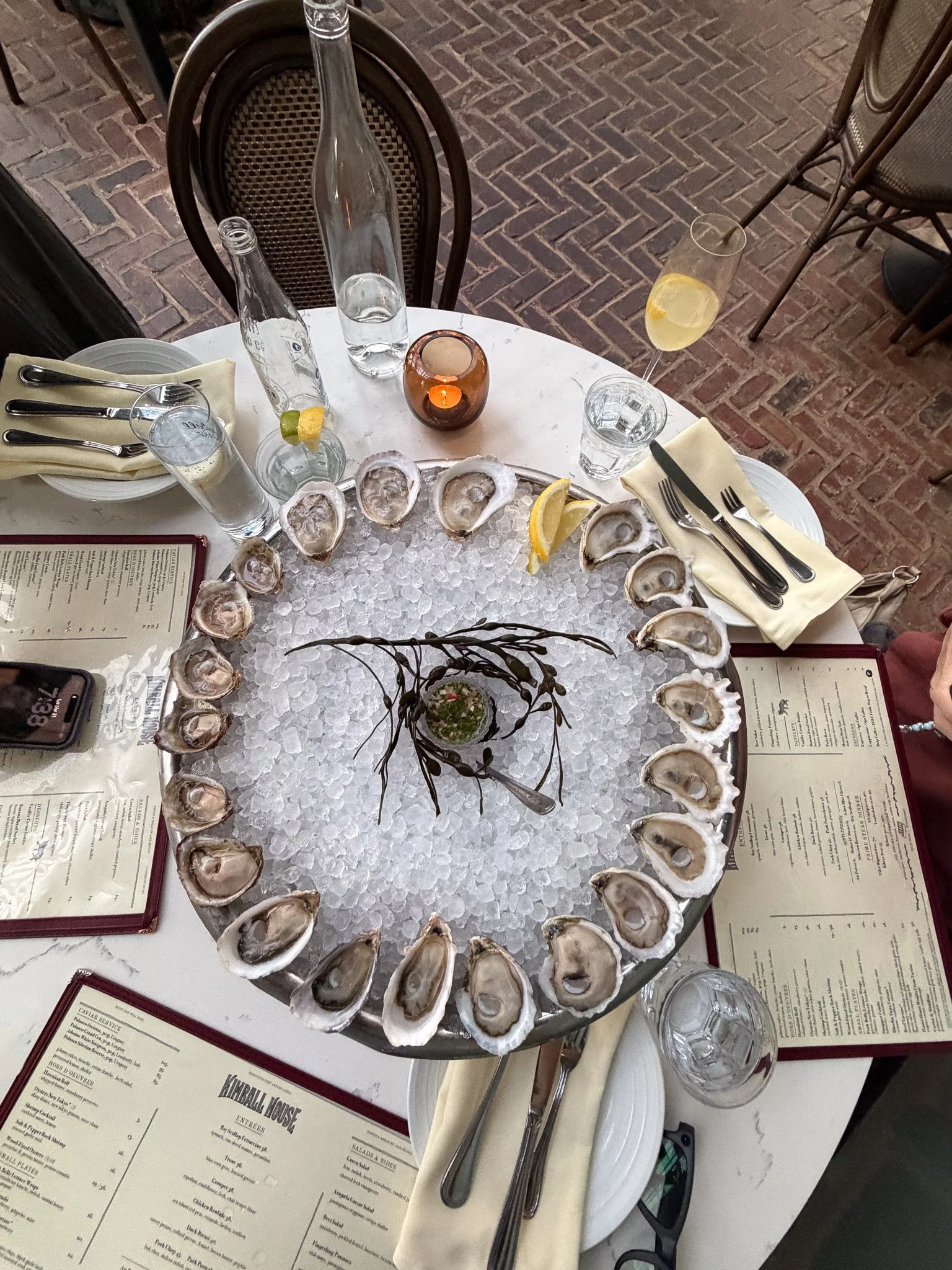
Oyster South is a 501(c)(3) nonprofit, it was started by Bryan Rackley, co-owner of Kimball House in Decatur, Georgia, and Dr. Bill Walton, a marine science and shellfish aquaculture professor — hospitality on one side, science on the other, and a shared belief that Southern oyster farming needed a larger community.
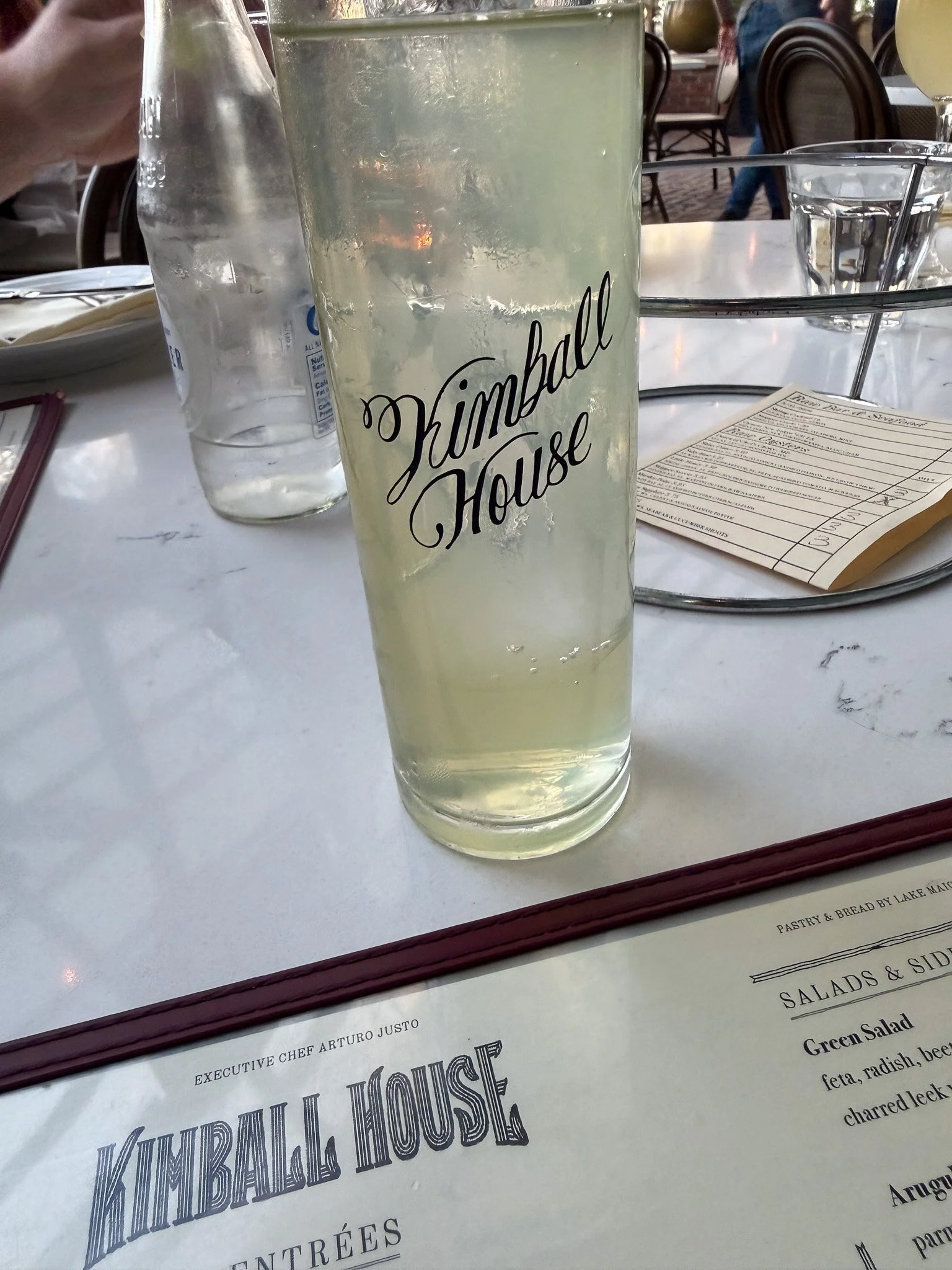
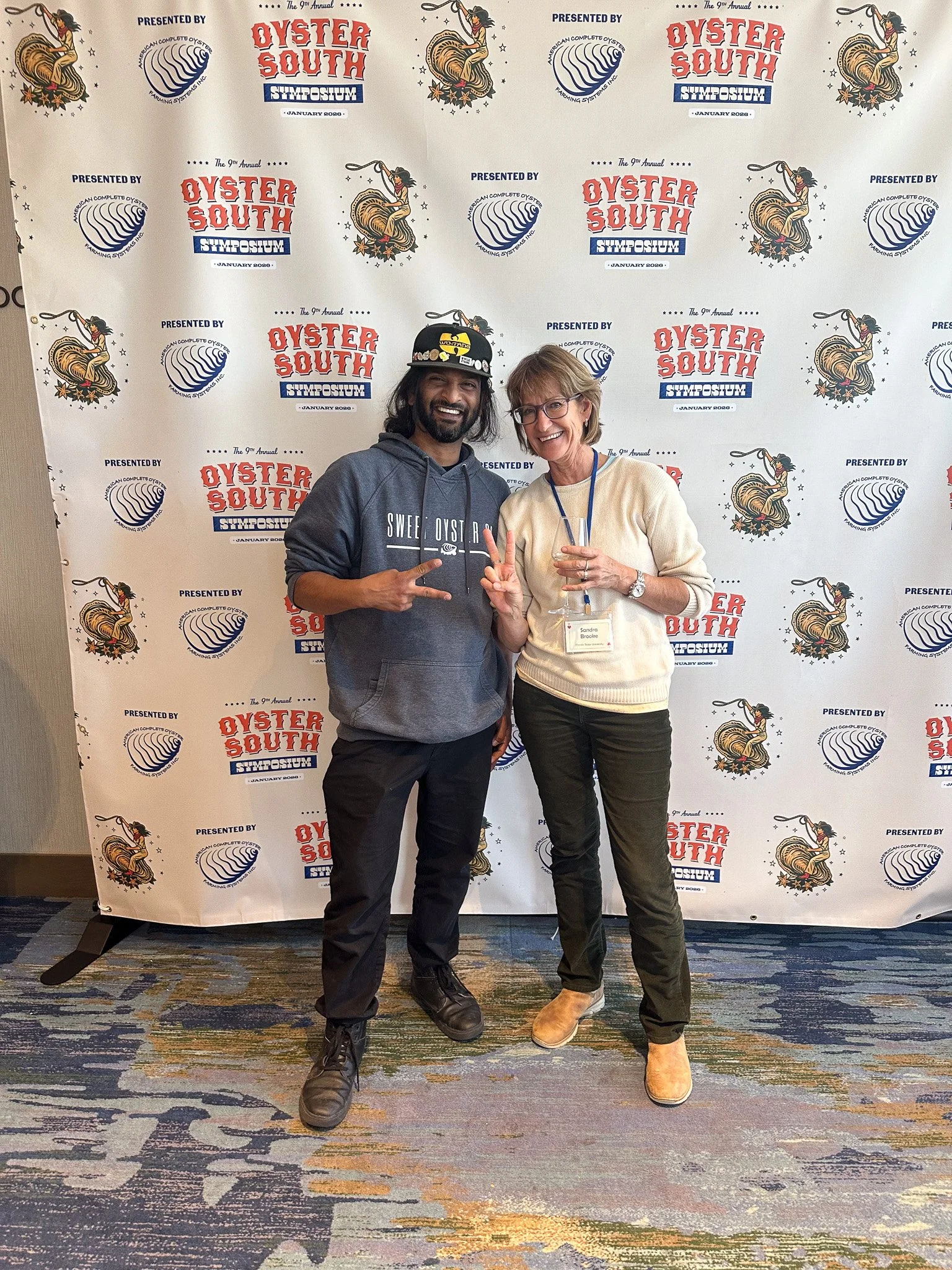
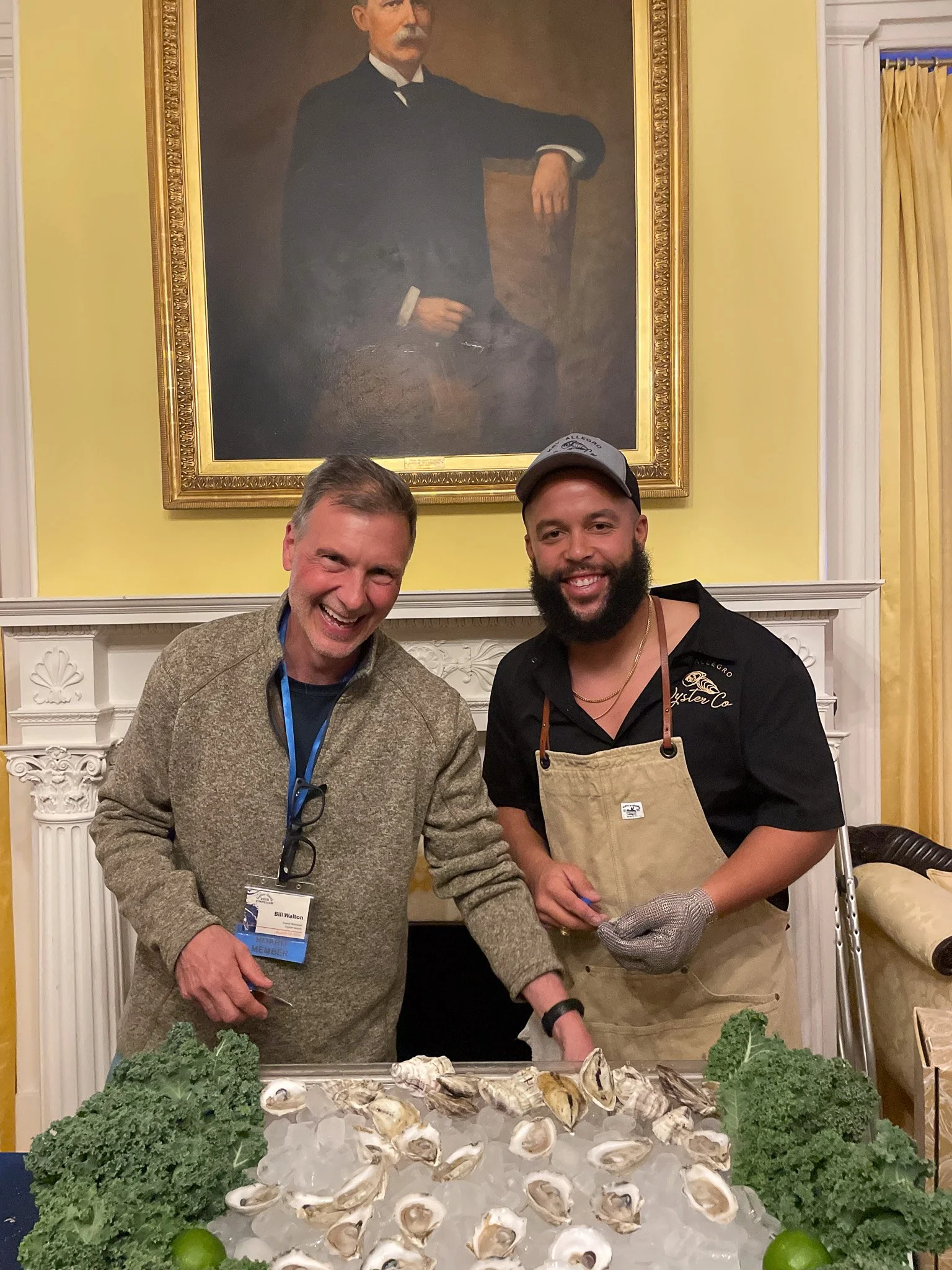
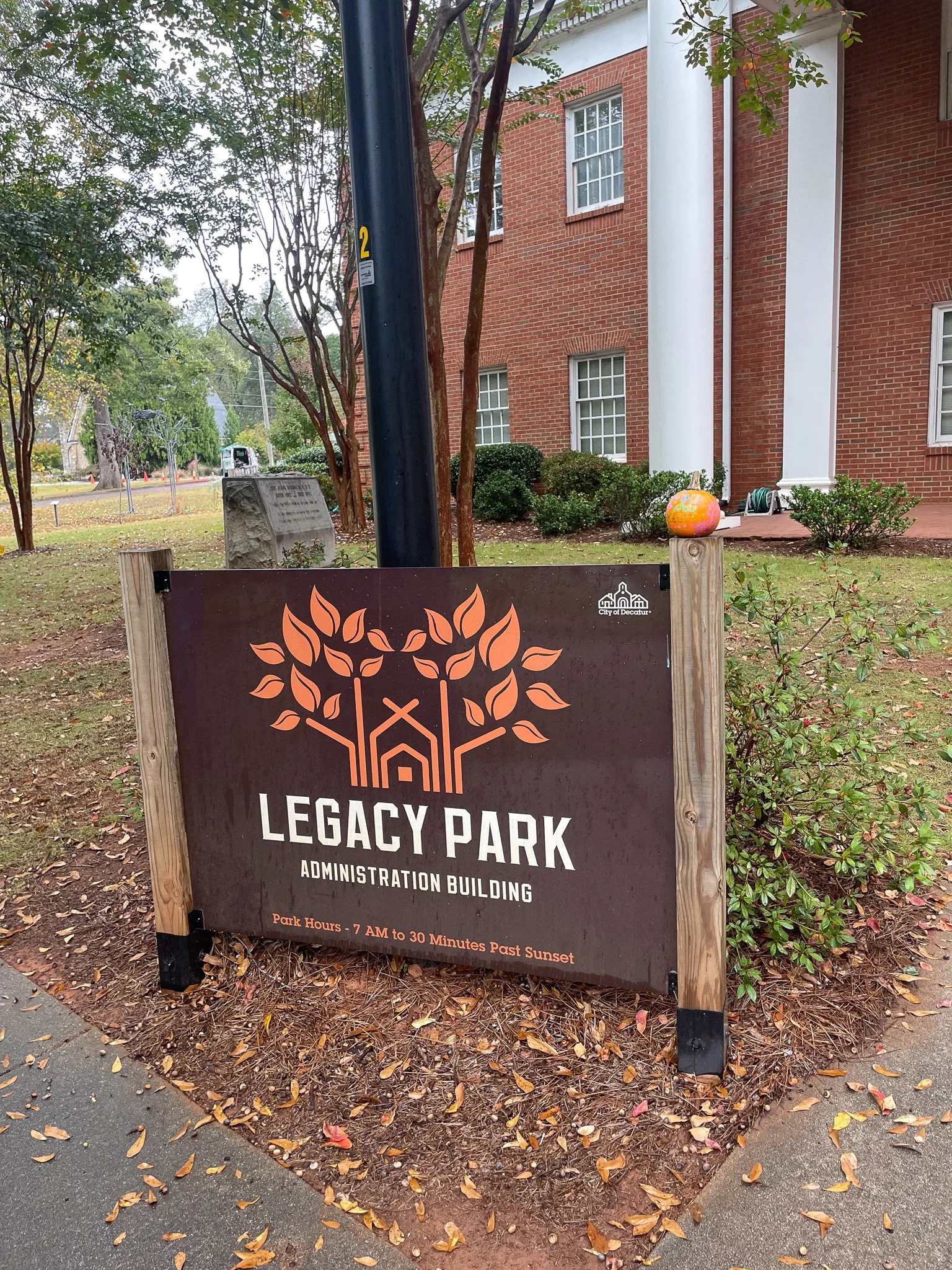
Its mission, in its own words, is to provide resources to foster the success of oyster farming in the Southern United States. Its vision goes further: spotlight and expand the environmental and economic benefits of oyster farming, so we get more sustainable seafood, healthier waters, more prosperous coastal communities, and more appreciation for Southern farm-raised oysters.
The gap it closed
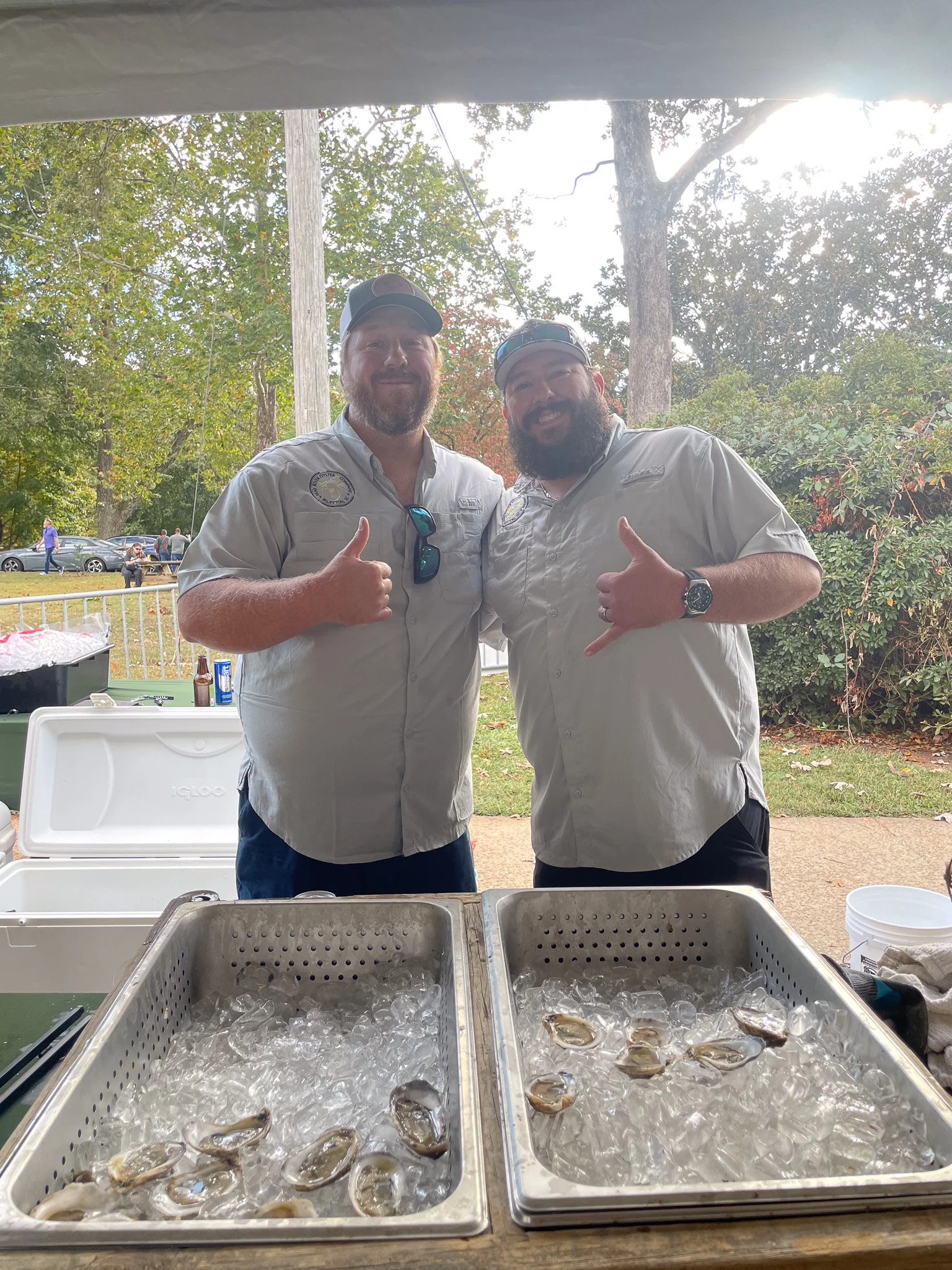
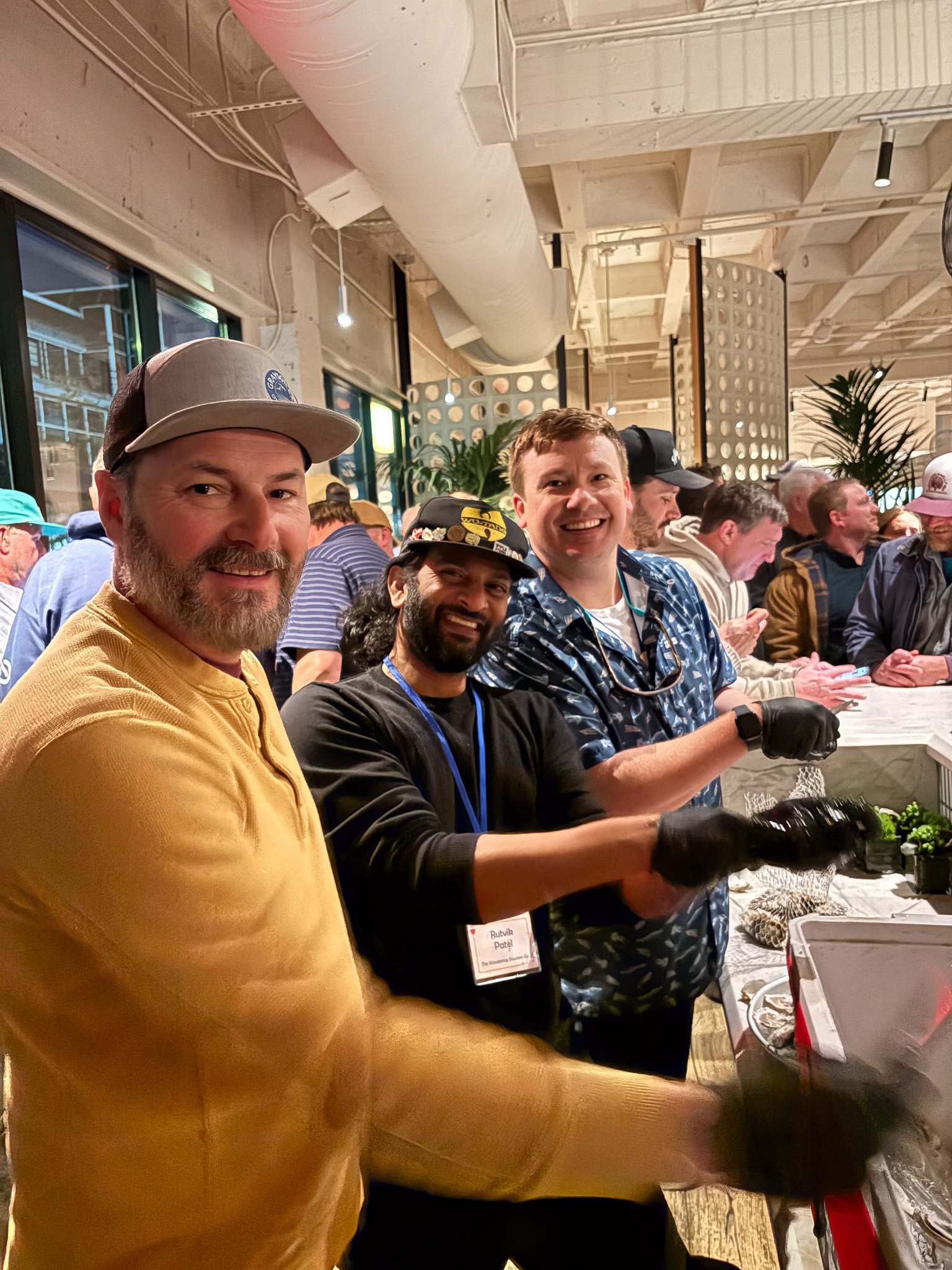
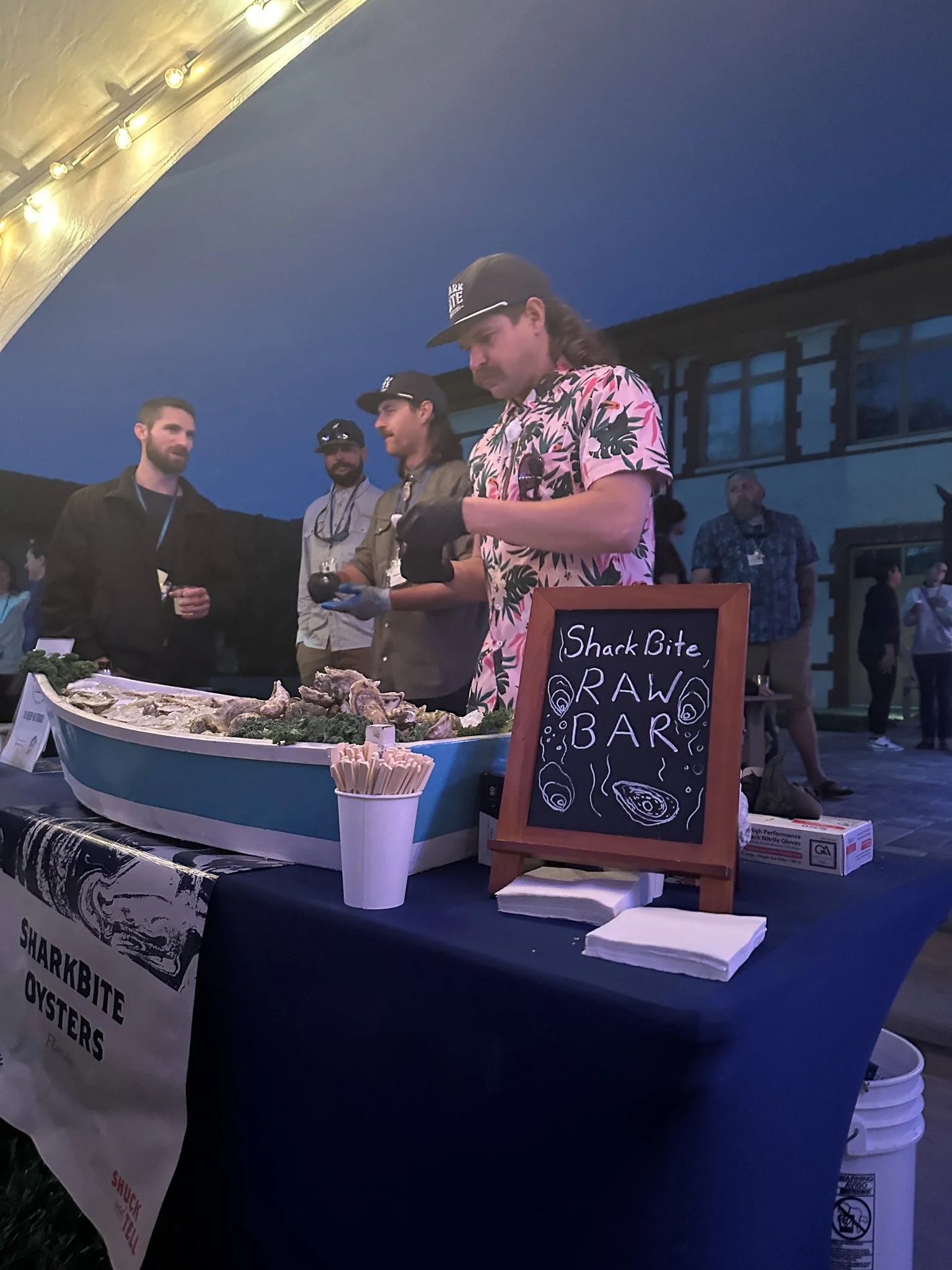
Before Oyster South, the pieces of this world were working in separate rooms.
Farmers were farming. Scientists were sciencing. Chefs were cheffing. Shuckers were shucking. Diners were dining. And almost nobody was talking to each other in a sustained, serious way.
That disconnect is something I wrote about after driving south — farmers who had never talked directly to shuckers, shuckers who had never met the people growing the oysters they served. Oyster South built the rooms where those conversations finally happen.
It does it through two gatherings that do very different jobs.
The Oyster South Symposium is the industry room: education, information-sharing, farmers, scientists, chefs, and hospitality people learning from each other..
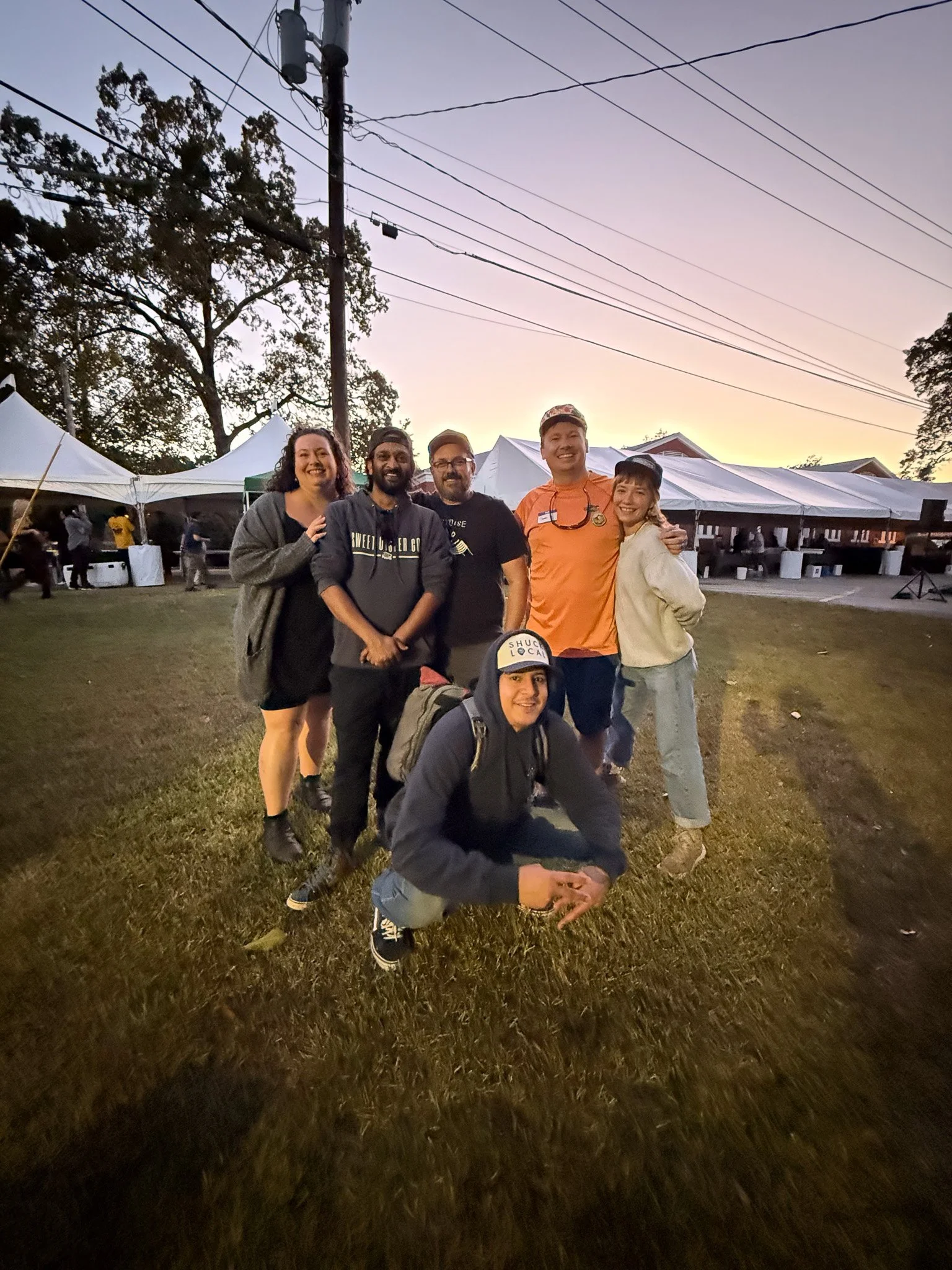
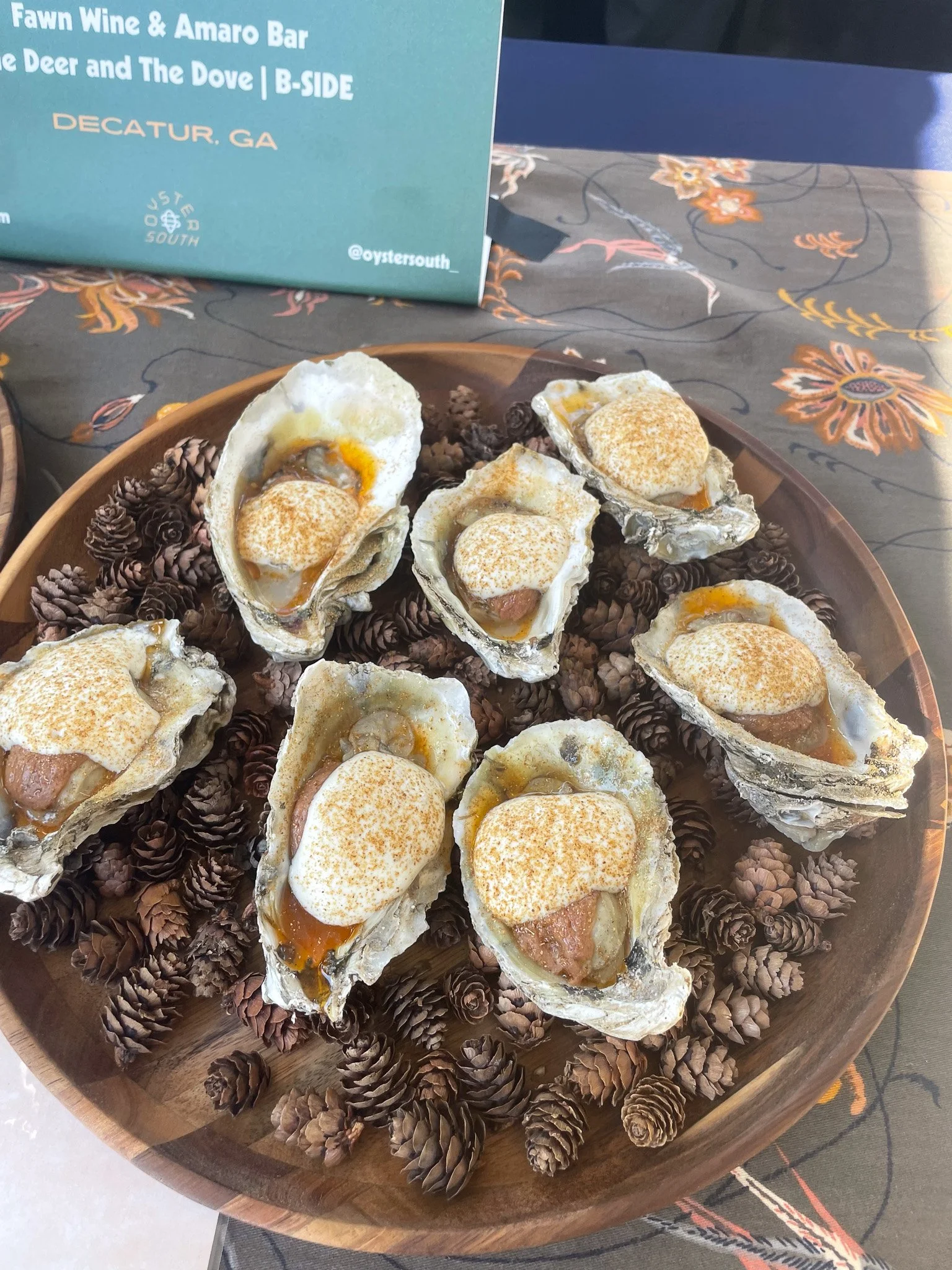
Landlocked is the public room: Oyster South's annual oyster-and-barbecue fundraiser, a party with a purpose, held each October in Atlanta, where the money raised goes back into the farmed oyster industry along the Gulf and the Southeastern Atlantic coast.
Together, they do what no single farm, restaurant, or shucker could do alone. One teaches the industry. The other invites everyone else in to meet the industry.
How that changes a life
This is where it stops being abstract.
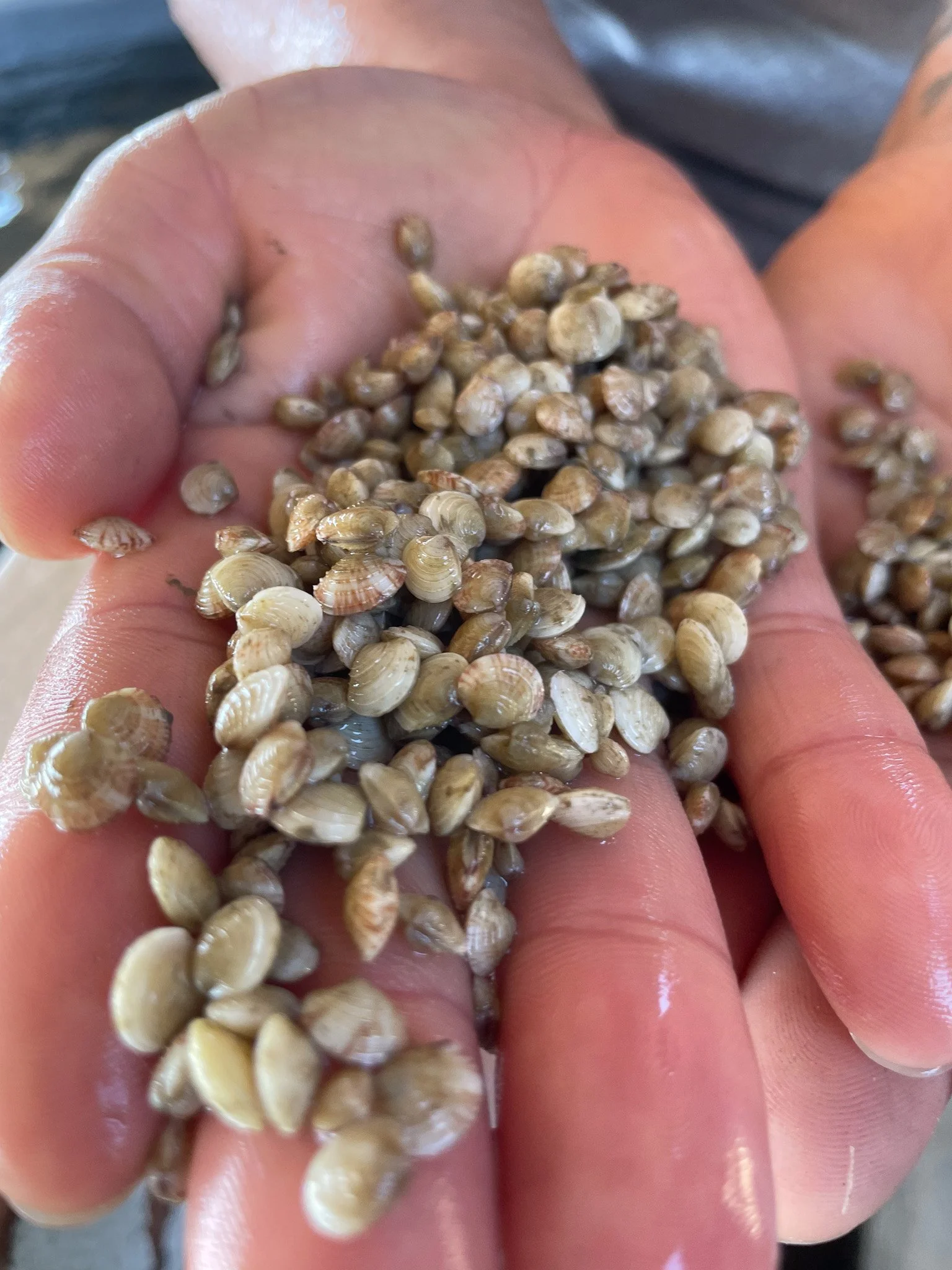
A farmer who learns off-bottom farming — raising oysters in gear, tended like a crop — isn't just learning a technique. He's learning a way to grow a cleaner, more consistent oyster, to survive storms and disease a little better, to build a sustainable business.
A chef who meets that farmer, who learns what that farmer is up against, stops ordering oysters like they're interchangeable. He starts putting a farm's name on the menu, training his servers to tell that story, and creating a market that farmer can count on.
A shucker who finally visits a farm, who sees the lease, the cages, the years of work, stops rushing like it's a race. He starts shucking like a steward of the oyster. I know, because that shucker was me.
And a coastal community that gets jobs — farming, equipment, distribution, restaurants, tourism — plus cleaner water and a reason for people to stay and work.
The Pattern
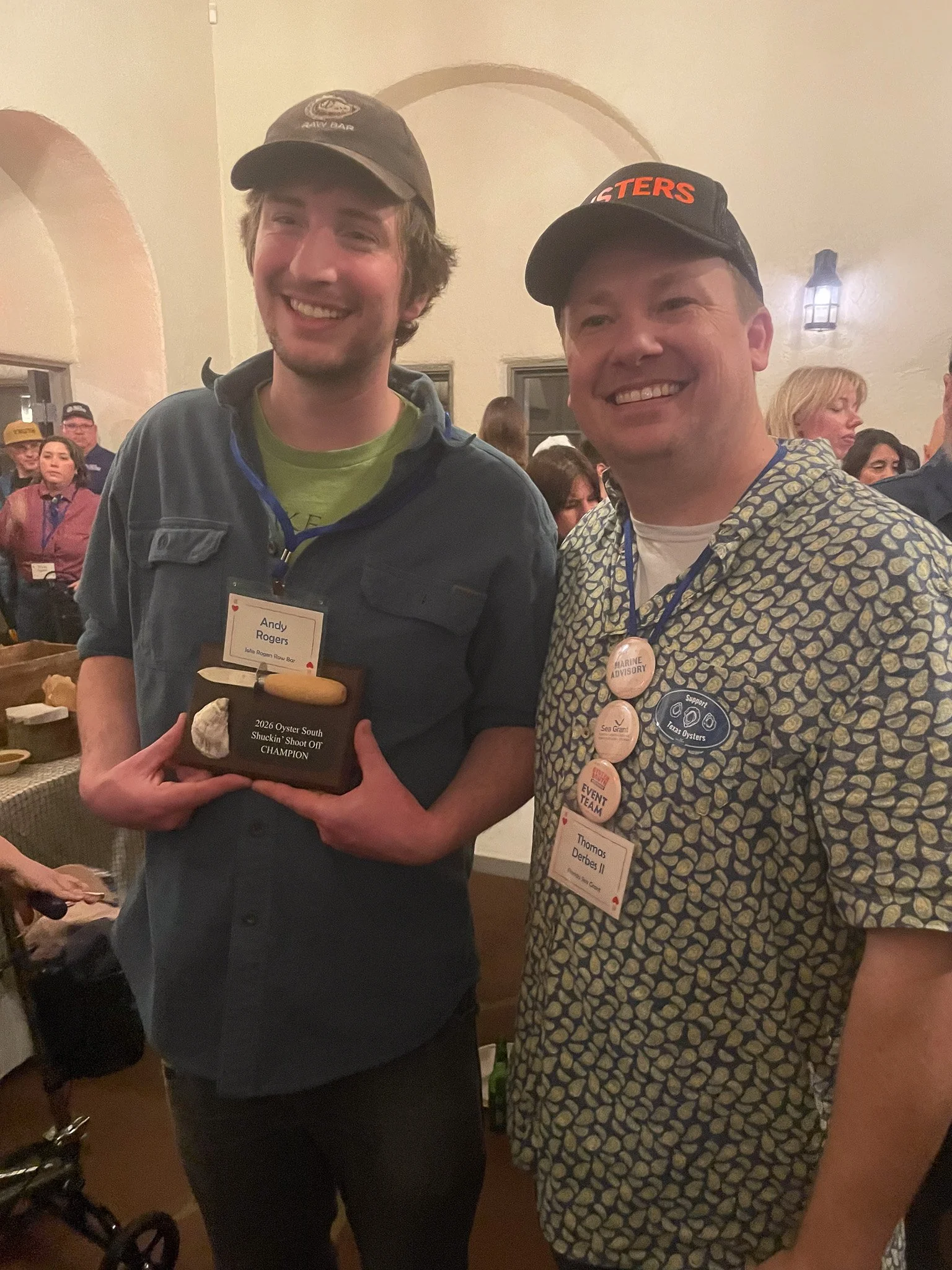
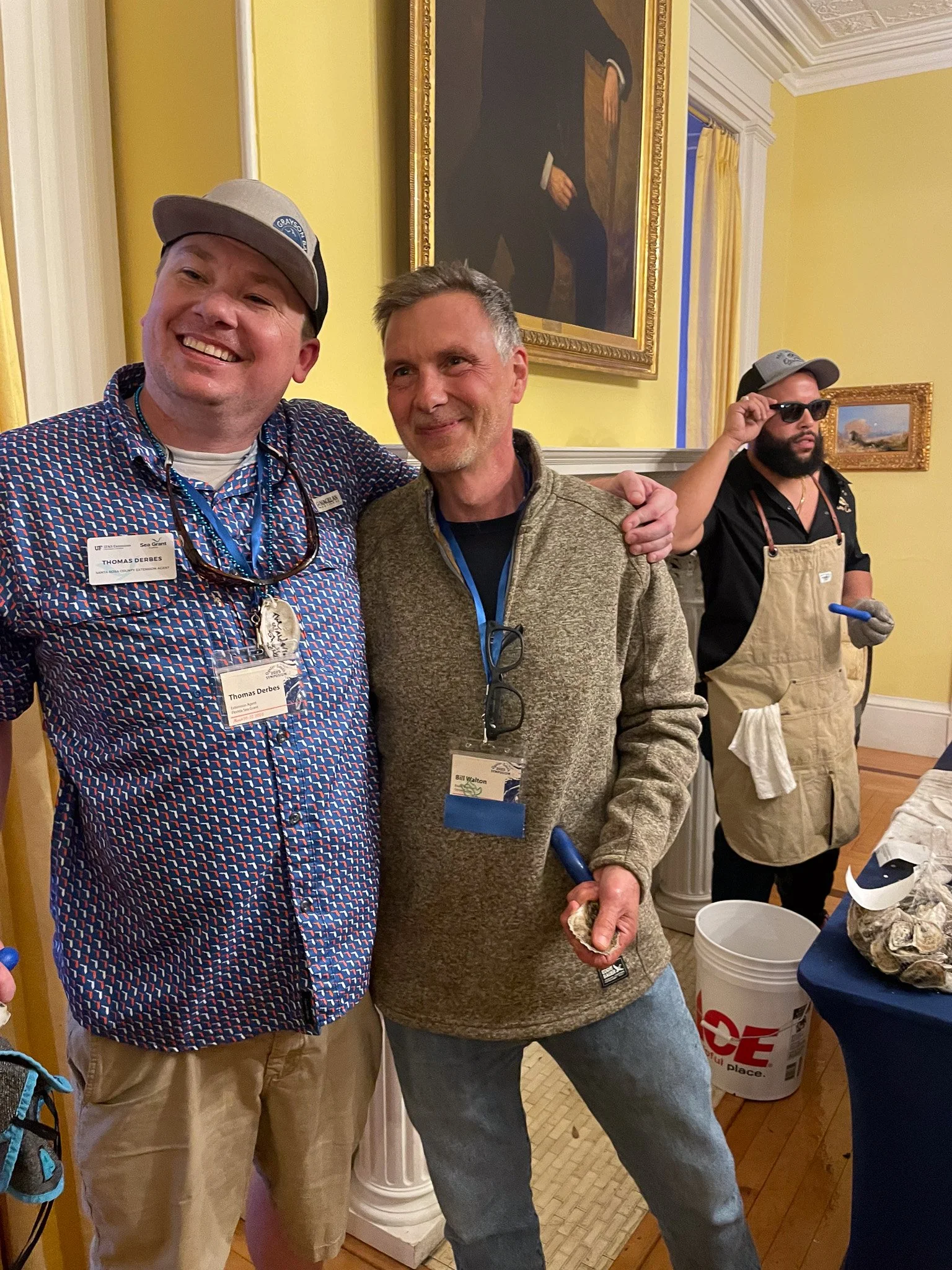
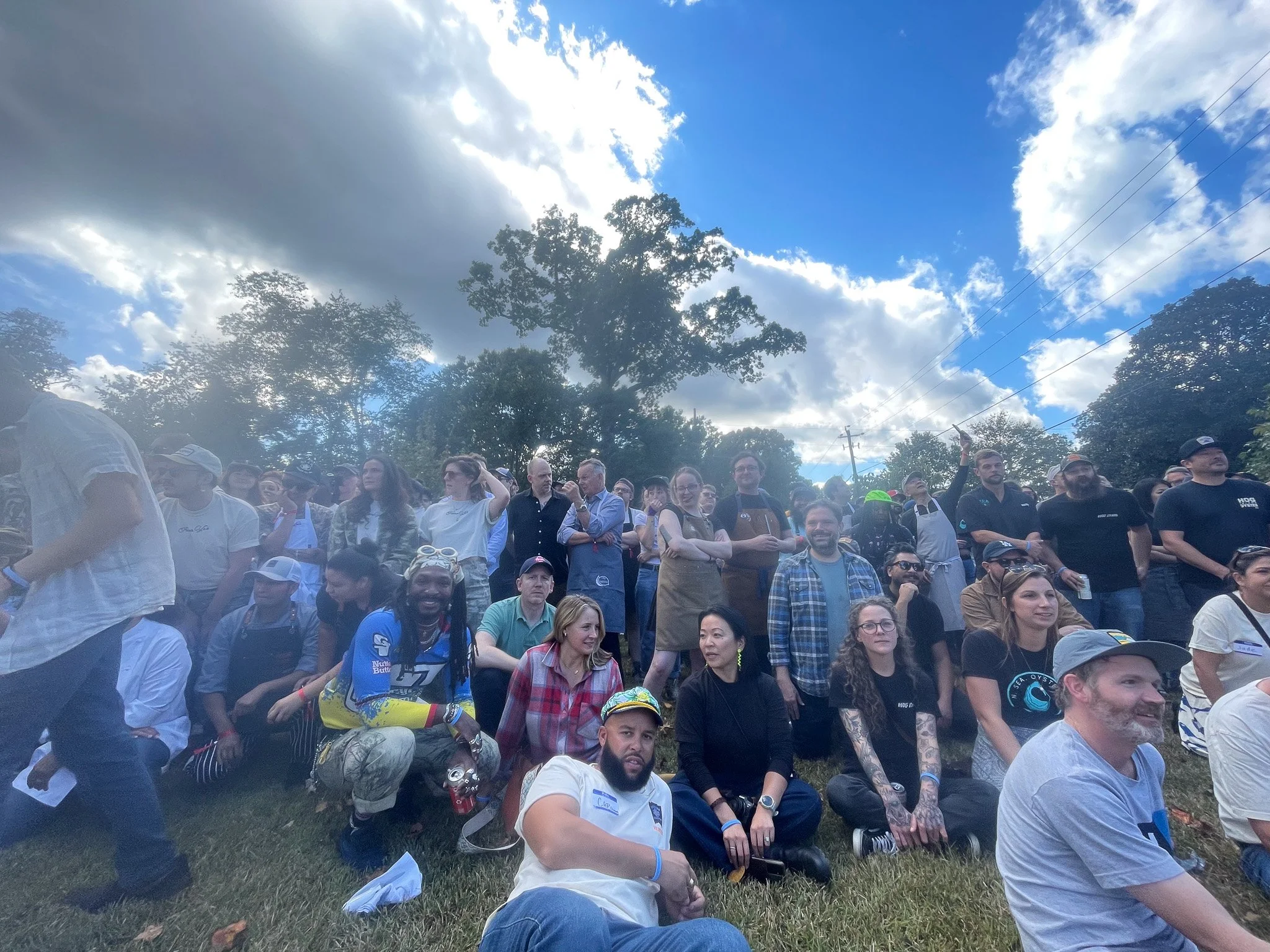
Look at the people Oyster South honoured at its 2026 Symposium in St. Augustine, Florida, and you see the pattern.
Leslie Sturmer won the Jules Melancon Award. A Florida Sea Grant and University of Florida specialist in molluscan shellfish, she has spent decades helping Florida growers with production technology, seed, water quality, health monitoring, and the business side of it too.
Dr. Sandra Brooke, of Florida State University, won the Environmentalist Award. She has led the Apalachicola Bay System Initiative, working to understand why that historic bay's oysters declined and what science says can bring them back.
Rob McDaniel won the Jim Gossen Award. He is the chef and owner of Helen and Bayonet in Birmingham, Alabama. He co-founded the Alabama Oyster Social, raising money for the Auburn University Shellfish Laboratory and making the case for Gulf oysters when far fewer people were listening.
The year before, at the 2025 Symposium in St. Augustine, Florida, the first winners set the bar: Steve and Dema Crockett of Point aux Pins oyster farm in Alabama, who opened their home, pier, and farm to future farmers; Birmingham chef Adam Evans, an early advocate who hosted one of Oyster South's first server trainings; and Shell to Shore, the Georgia nonprofit that has recycled more than 548,000 pounds of shells since 2021 into living shorelines and reefs.
Farmers who teach. Chefs who advocate. People who recycle shells to make our water cleaner. That's a network!
And now, the North.
So how does a Southern nonprofit end up in a New York story?
Because oysters don't respect regional borders, and neither do the people who care about them.
Oyster South's peer-to-pier program helps Southern farmers learn from growers in other regions, and helps growers from elsewhere see how Southern farms work. Its storytelling work — including the documentary project Shellbound, made with The Local Palate — carries Southern farms to audiences who never set foot on a Gulf oyster farm.
And then there are people like us. I'm one of the lucky northerners that get to experience Southern oyster culture firsthand, thanks to them — not as tourists passing through, but as people invited into the farms, the rooms, and the conversations that make that culture what it is.
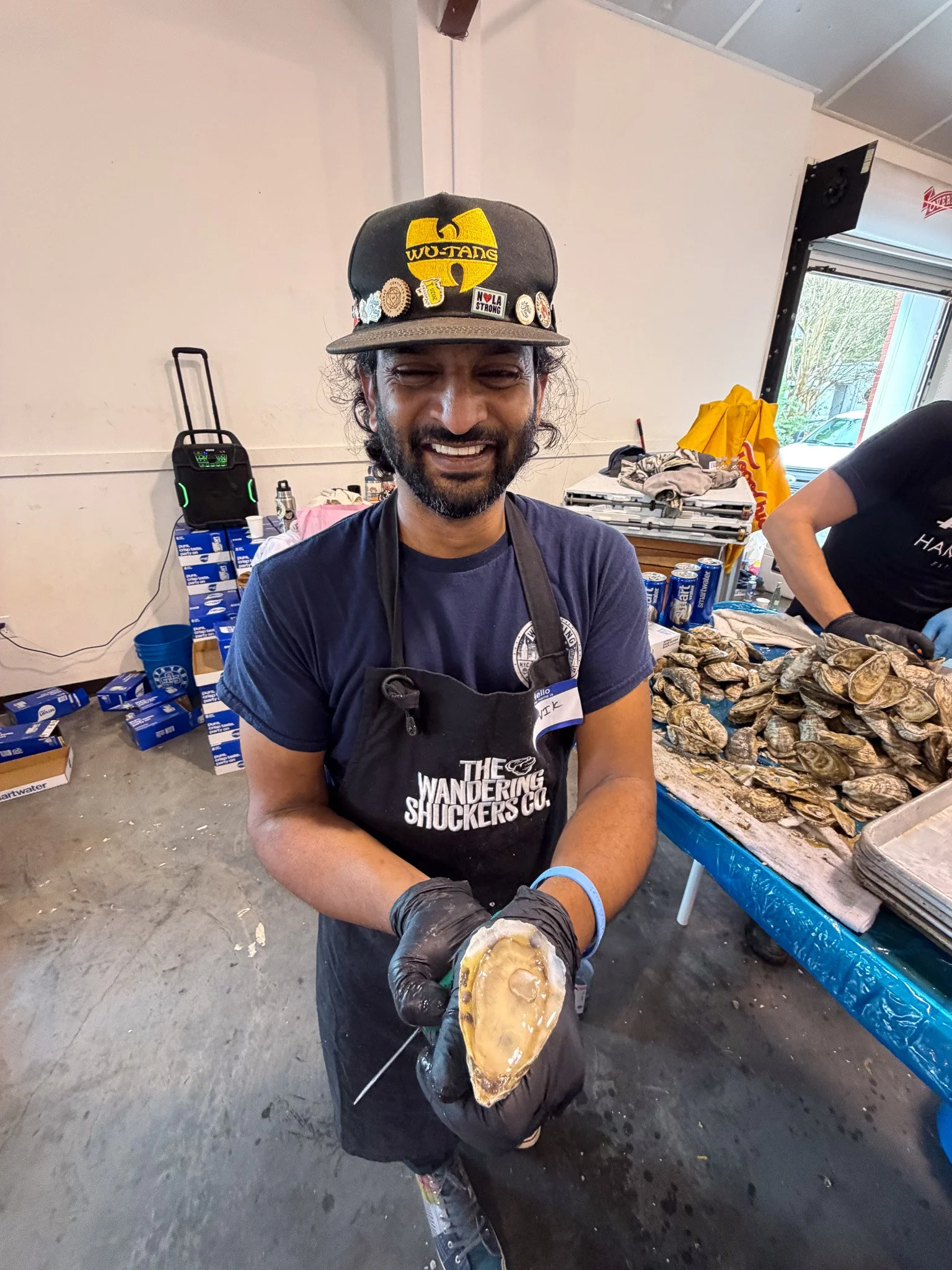
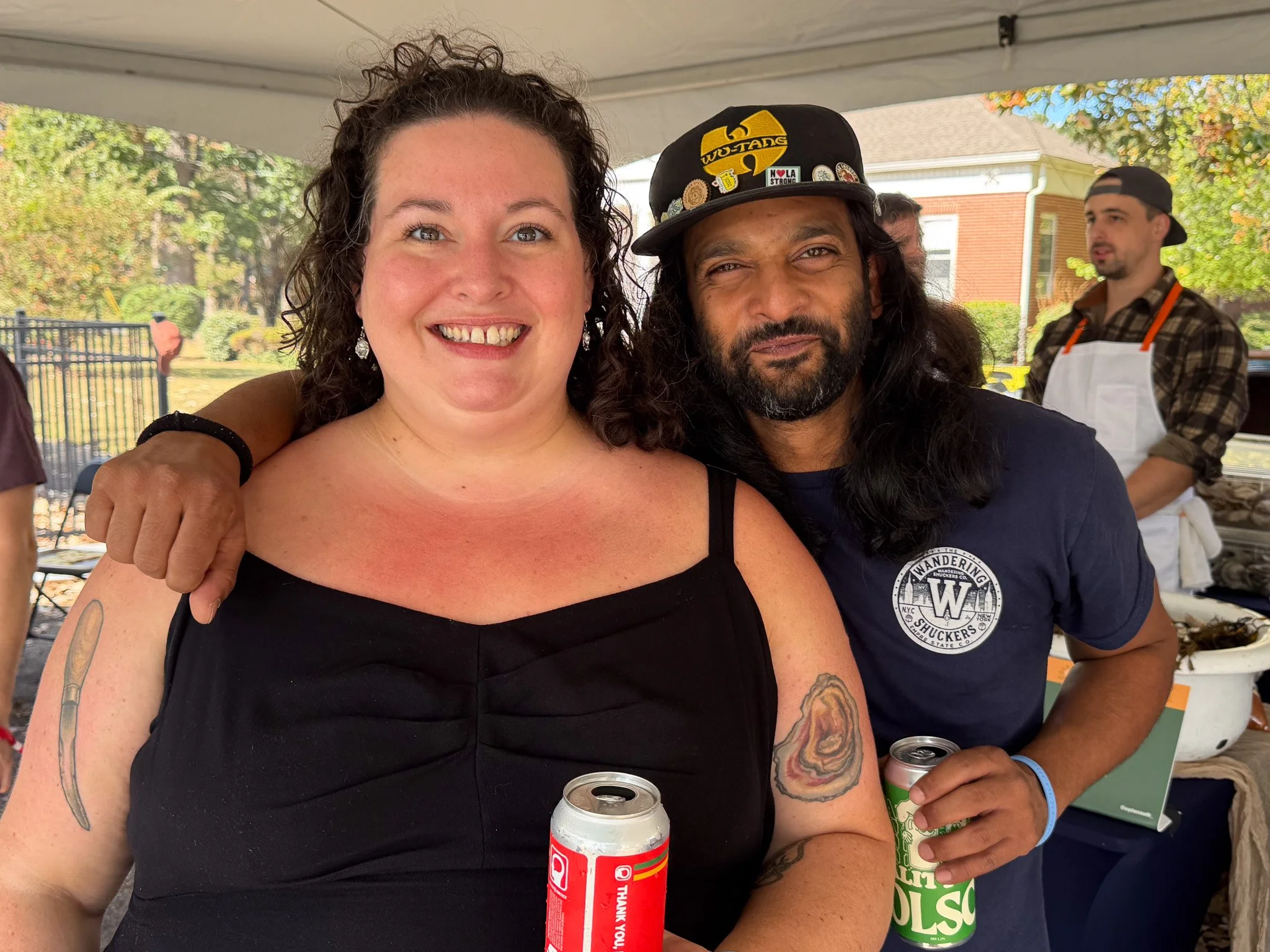
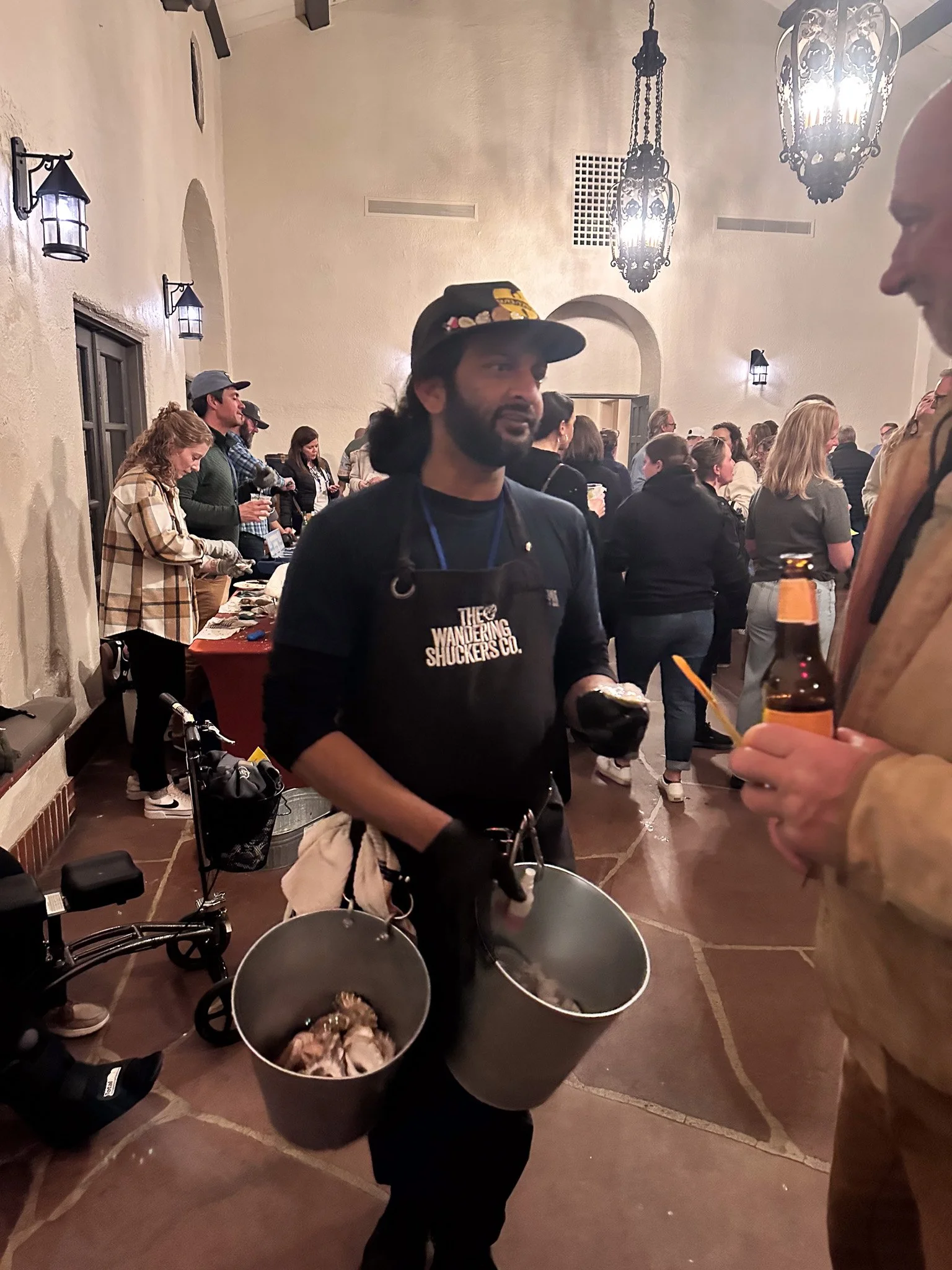
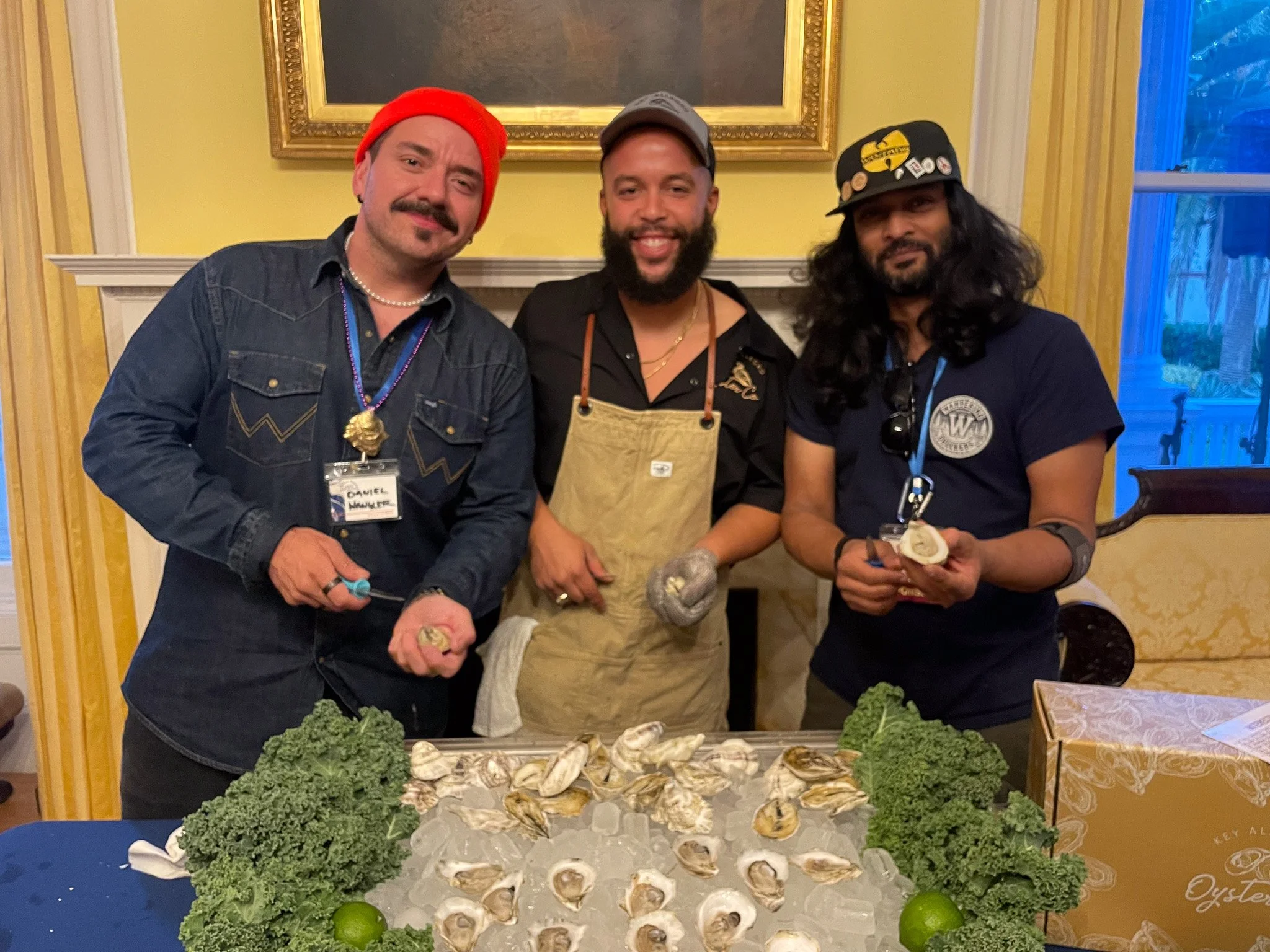
It went further than an invitation. Oyster South has provided financial support to ensure folks like me get to experience Southern oyster culture — to stand on a farm, eat in the room, hear the story from the person who grew it — and then take that back home with us and tell those stories properly. That's not a small thing. That's a nonprofit putting real support behind a shucker from New York and saying: go, learn, come back and tell it right.
I did. And that's why, when I shuck a Southern oyster in a Manhattan room now, I'm not just serving an oyster. I'm carrying that whole chain with me — the farmer, the water, the science, and the people across the South who took the time to shuck around with me.
What i brought back to New York
We were the first to serve Texas oysters in New York City — Matagorda Pearls, from Oyster Bros. That happened because of a conversation at the Oyster South Symposium in Houston. The ever supportive Jim Gossen pointed me in the direction of Rex trucking - next thing we know we were figuring out the route with Jacob and David from Oyster Bros. Now The Lobster Place carries them, and we have access to amazing Texas oysters in New York on the regular. A Gulf oyster on a Manhattan menu, with its farm name attached — that didn't happen by accident. It happened because somebody (Oyster South) put together the room where we could build such relationships.
Oyster South changed how I think. More concretely, it changed what actually lands in my fridge in New York.
St. Augustine, where it started for me
I have to take a moment and reminisce - St. Augustine was my first Oyster South experience, and I almost didn't go because I didn’t know better. But this voice wouldn’t stop annoying me and kept telling me I had to get up on stage and talk about my oyster experience…I’m glad I listened to that voice. Thanks Adrienne!
Adrienne kept pushing for me to attend and I can't thank her enough. Attending OS Symposium in St. Augustine changed everything.
Before St. Augustine I was a shucker with a couple of buckets. After it, I am still a shucker with a couple of buckets but with a story to tell, and an extremely supportive oyster community behind me.
That is what these gatherings do when they work. They don't just teach you a technique. They hand you a room full of people who will change what you do next, if you let them.
Why we're telling you this now
I’ve always maintained that a shucker besides being the last pair of hands to touch the oysters, is also a storyteller, a bridge between the farm and the guest. If we stop telling those stories, the chain breaks, and we cant let that happen.
So we're back. Weekly, starting now. There will be travel stories, and technique too. The real stories are the farms, the people, the oysters, the events, and the honest business of running a catering company in NYC.
Until then: Thank you, Oyster South. For the farmers you connected, the chefs you convinced, the shuckers you educated — and for the support, financial and moral, that let folks like me experience Southern oyster culture and bring it home with us.
Let's shuck around and find out.
— Rutvik
P.S. If you want to learn more about The Wandering Shuckers Co. and our services, fill out the form below, we’ll send you details.
